
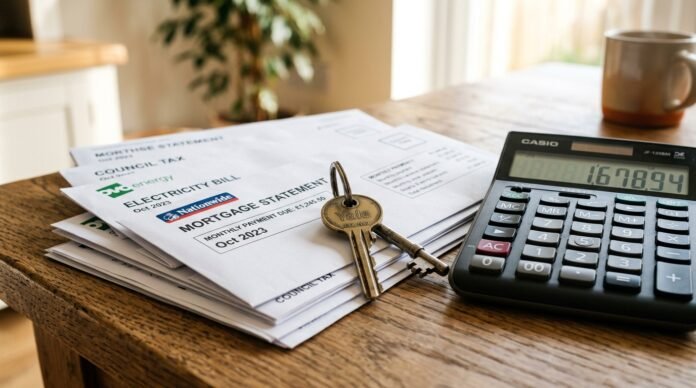
Falling behind on monthly bills is one of the most stressful financial situations a homeowner can face.
What often begins as a temporary setback, a job loss, medical expense, reduced work hours or rising living costs can quickly become a cycle of missed payments, increasing interest charges and mounting financial pressure.
As bills accumulate, many homeowners start looking for ways to regain control of their finances. For those who have built equity in their homes, one option that frequently comes into consideration is borrowing against that equity.
Home equity can provide access to funds that may be used to pay off high interest debt, catch up on overdue obligations or improve monthly cash flow. Depending on the circumstances, this strategy may offer meaningful financial relief.
However, borrowing against your home is not simply another way to pay bills. It changes the nature of your financial obligations and introduces new risks that deserve careful consideration.
The important question is not whether tapping home equity is possible.
It’s whether doing so actually improves your long term financial position.
For some homeowners, the answer may be yes.
For others, it could delay financial problems while placing one of their most valuable assets at greater risk.
Understanding when home equity borrowing may help and when it may not is essential before making this decision.
Understanding Home Equity
Home equity is the portion of your home that you truly own.
It is calculated by subtracting your remaining mortgage balance from your home’s current market value.
For example:
- Home value: $450,000
- Remaining mortgage: $250,000
Estimated home equity:
$200,000
This equity represents accumulated wealth tied to your property.
Homeowners may access a portion of this value through financial products such as:
- Home Equity Line of Credit (HELOC)
- Home equity loan
- Cash-out refinance
Each option works differently but all involve borrowing against your home’s value.
Why Homeowners Consider Home Equity During Financial Hardship
When bills become difficult to manage, homeowners often look for borrowing options with lower interest rates than credit cards or unsecured loans.
Home equity products frequently offer:
- Lower borrowing costs
- Larger available loan amounts
- Flexible repayment options
- The ability to consolidate multiple debts
For homeowners facing high interest consumer debt, this can appear to be an attractive solution.
In some situations, it genuinely is.
The key is determining whether the financial hardship is temporary or ongoing.
The First Question: Why Are You Falling Behind?
Before borrowing against your home, it’s important to understand the source of the financial problem.
Different causes require different solutions.
Examples include:
Temporary Income Loss
A short-term layoff or temporary reduction in hours may create a cash-flow problem that improves once income stabilizes.
Unexpected Medical Expenses
Large medical bills can create financial strain even for households with otherwise healthy finances.
Rising Interest Payments
High interest credit cards may consume an increasing share of monthly income.
Persistent Budget Deficits
If household expenses consistently exceed income, borrowing alone may not solve the problem.
Understanding the cause helps determine whether home equity borrowing addresses the underlying issue or merely postpones it.
When Home Equity Might Be Helpful
There are situations where borrowing against home equity may support financial recovery.
Consolidating High Interest Debt
One of the most common uses of home equity is paying off expensive credit card balances.
If multiple credit cards carry significantly higher interest rates than a home equity product, consolidation may:
- Lower monthly payments
- Reduce interest costs
- Simplify repayment
This may allow homeowners to make faster progress toward becoming debt-free.
However, success depends on avoiding new credit card balances after consolidation.
Catching Up on Essential Obligations
Temporary financial hardship may cause homeowners to fall behind on:
- Utility bills
- Medical expenses
- Essential household obligations
If income has recovered and repayment is manageable, carefully using home equity may help restore financial stability.
The emphasis should remain on temporary hardship rather than ongoing financial imbalance.
Avoiding Higher Cost Borrowing
Some homeowners turn to credit cards or high-interest personal loans when unexpected expenses arise.
Depending on the circumstances, home equity borrowing may reduce borrowing costs.
Lower interest expenses may improve overall affordability when paired with a realistic repayment plan.
Funding Necessary Home Repairs
Sometimes the financial challenge involves the home itself.
Major repairs involving:
- Roofing
- Plumbing
- Electrical systems
- Structural issues
may require immediate attention.
Borrowing against home equity to preserve the home’s condition may support both safety and long-term property value.
When Home Equity May Not Solve the Problem
Borrowing is not always the right answer.
In some situations, using home equity simply delays a larger financial issue.
Ongoing Budget Problems
If monthly expenses consistently exceed income, borrowing may temporarily cover the gap.
Eventually, however, the borrowed funds are exhausted.
The original financial imbalance remains.
Without addressing income or spending patterns, debt often continues growing.
Lifestyle Spending
Using home equity to maintain discretionary spending rarely improves long-term financial health.
Examples include:
- Vacations
- Luxury purchases
- Frequent entertainment expenses
- Non essential shopping
These expenses create debt without generating lasting financial value.
Repeated Borrowing
Some homeowners develop a pattern of repeatedly borrowing against home equity whenever financial pressure increases.
Over time, this may reduce available equity while increasing total debt.
Instead of solving financial challenges, borrowing becomes part of the cycle itself.
Understanding the Risks
Because home equity products are secured by your property, they carry risks that unsecured borrowing does not.
These risks should be carefully evaluated before making any decision.
Your Home Serves as Collateral
Unlike most credit card debt, home equity borrowing is secured by the property.
This changes the nature of the obligation.
Protecting homeownership should remain an important consideration when evaluating repayment capacity.
Interest Costs Still Matter
Although home equity products often carry lower interest rates than credit cards, interest continues accumulating until the debt is repaid.
Borrowing becomes less expensive.
It does not become free.
Variable Rates Can Increase Payments
Many HELOCs use variable interest rates.
Future payment amounts may change if market rates increase.
Homeowners should consider whether future payments would remain affordable under different interest rate scenarios.
Reduced Financial Flexibility
Borrowing against equity reduces the amount available for future needs.
This may affect:
- Emergency borrowing capacity
- Retirement planning
- Future refinancing opportunities
- Home sale proceeds
Preserving some equity often improves long term financial resilience.
Warning Signs Borrowing May Be the Wrong Choice
Homeowners should proceed carefully if they recognize any of these situations:
- No realistic repayment plan
- Income remains unstable
- Living expenses continue exceeding income
- Borrowing to make payments on other debt
- Using equity for routine monthly bills every few months
- Expecting future home appreciation to solve today’s financial challenges
These warning signs suggest that broader financial changes may be needed alongside or instead of additional borrowing.
Alternatives Worth Exploring First
Before using home equity, homeowners may benefit from considering other strategies.
These may include:
Reviewing Household Spending
Reducing discretionary expenses may improve monthly cash flow.
Negotiating With Creditors
Some lenders offer hardship assistance or modified payment arrangements.
Creating a Structured Debt Repayment Plan
Budget adjustments combined with organized repayment may reduce financial pressure over time.
Increasing Household Income
Temporary or supplemental income may help resolve short term financial gaps without increasing debt.
Seeking Professional Financial Guidance
A qualified financial or housing counselor may help evaluate available options based on individual circumstances.
Exploring alternatives first can help ensure that home equity borrowing is used strategically rather than as a first response to financial stress.
Questions to Ask Before Borrowing Against Your Home
Before moving forward, homeowners should consider several important questions.
Is my financial difficulty temporary or ongoing?
Temporary setbacks may be more suitable for borrowing than long-term income shortages.
Will borrowing reduce my overall debt or simply move it?
The objective should be lasting financial improvement.
Can I comfortably afford repayment?
Future affordability matters as much as current affordability.
Have I addressed the cause of the financial problem?
Borrowing works best when paired with meaningful financial changes.
Am I protecting enough home equity for future needs?
Maintaining financial flexibility remains important.
Creating a Recovery Plan
If home equity borrowing becomes part of the solution, it should fit within a broader financial recovery strategy.
That plan may include:
- A realistic monthly budget
- An emergency savings goal
- A repayment timeline
- Reduced discretionary spending
- Regular financial reviews
Using borrowed funds without a broader plan increases the likelihood that financial problems will return.
The goal should be restoring financial stability, not simply postponing financial pressure.
When Home Equity Can Be a Strategic Tool
For homeowners with:
- Stable income
- Temporary financial setbacks
- Significant high-interest debt
- Sufficient home equity
- A clear repayment strategy
borrowing against home equity may provide meaningful financial relief while improving long term affordability.
In these situations, home equity serves as a financial tool rather than a financial lifeline.
That distinction is important.
Final Thoughts
Struggling to keep up with bills can make almost any source of available funding seem like the right answer. For homeowners with significant equity, borrowing against their home may offer lower interest rates, improved cash flow and an opportunity to consolidate expensive debt.
But the decision deserves careful thought.
Home equity borrowing works best when it addresses a temporary financial challenge or supports a well defined recovery plan. It is less effective when used to cover ongoing budget shortfalls or maintain spending that exceeds available income.
Before tapping into your home’s equity, take time to understand why you’re facing financial pressure, evaluate whether borrowing solves the underlying issue, and create a realistic plan for repayment. Used responsibly, home equity can provide valuable financial flexibility. Used without a long term strategy, it can increase debt while reducing one of the most important financial assets you’ve spent years building.