
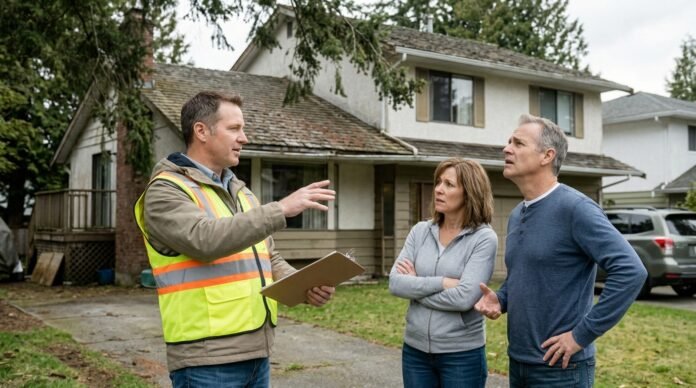
Many homeowners assume that once an insurance company approves their application and issues a policy, their property has passed the necessary checks and their coverage is secure. However, an insurer’s assessment of a home does not necessarily end when the policy begins.
Insurance companies may inspect properties after issuing coverage, review updated photographs, request additional information or reassess risks before renewal. These reviews help insurers determine whether the condition of a property still meets their underwriting requirements and whether the coverage and premium remain appropriate.
For homeowners, the process can create unexpected financial pressure. A roof that has aged since the policy was purchased, an electrical system that needs attention, evidence of water damage or an improvement that was never reported could prompt an insurer to request repairs or reconsider the terms of coverage.
The consequences are not always severe. Some inspections result in no changes, while others lead to documentation requests, recommendations or opportunities to correct maintenance issues. In more serious cases, the insurer may change certain coverage terms, increase the premium where permitted or decide not to renew the policy.
Understanding what insurers examine and how their findings can affect a household is important, particularly as property maintenance, reconstruction expenses and insurance availability become increasingly significant concerns for American homeowners.
Here are seven home insurance problems that can arise when an insurer reassesses a property.
1. An Aging or Deteriorating Roof Can Put Coverage at Risk
The roof is one of the most important parts of a home from an insurance underwriting perspective. It protects the interior from rain, wind, snow and other environmental conditions. When it deteriorates, the likelihood of water intrusion, structural damage and expensive claims can increase.
During a property reassessment, an insurer may examine the roof’s age, material, visible condition, and estimated remaining useful life. Missing shingles, curling edges, cracked tiles, exposed areas, damaged flashing and evidence of previous leaks can attract attention.
The age of the roof can matter even when there is no obvious active leak. Some insurers have eligibility guidelines that consider how long particular roofing materials are expected to remain serviceable. Asphalt shingles, for example, may receive different underwriting treatment from tile or slate roofing.
A homeowner with a roof approaching the end of its expected useful life could therefore face questions even if the roof has not recently caused damage.
The situation can become more complicated when insurers use aerial photographs or satellite imagery to screen properties. These images may help identify visible concerns, although they do not necessarily provide enough information to establish the roof’s full condition. A closer inspection may be requested when the images raise questions.
A February 2026 consumer advisory from the Connecticut Insurance Department explains that insurers may use both physical inspections and aerial imagery to assess roof risk. It also distinguishes cosmetic discoloration from material roof deterioration when discussing underwriting action in Connecticut. This illustrates why homeowners should understand the evidence behind an insurer’s concerns rather than assume every visual observation indicates a serious defect.
Potential consequences for homeowners include:
- A request for a professional roof inspection.
- A deadline to repair or replace damaged roofing materials.
- Additional documentation before the insurer confirms renewal.
- Changes to roof settlement provisions where permitted by the policy and state law.
- A higher premium or nonrenewal if the roof presents an unacceptable risk under the insurer’s guidelines.
The financial difficulty is that roof replacement is rarely a small household expense. A homeowner who receives a repair request close to renewal may have to find contractors, obtain estimates, and arrange financing within a limited period.
There is also a risk of making unnecessary repairs based on an unclear inspection report. Homeowners should request specific photographs, descriptions of the identified defects, and clarification about whether the concern involves cosmetic wear or actual deterioration.
If the roof genuinely needs attention, obtaining an assessment from a qualified roofing contractor can help establish the scope of work. Keeping invoices, warranties, permits and before and after photographs can also provide useful evidence when the insurer reviews the completed repairs.
2. Outdated Electrical Systems Can Become a Fire and Underwriting Concern
Electrical systems are another important area insurers may examine when reassessing a property. Old wiring, damaged outlets, overloaded circuits, deteriorating electrical panels, and improperly completed installations can increase the possibility of electrical fires or other property damage.
The concern is not simply whether a home has an older electrical system. Its actual condition, safety, maintenance history and compliance with relevant requirements can influence the insurer’s assessment.
Older properties may contain electrical components that are no longer commonly installed in newer construction. Some wiring types and panel configurations may receive additional scrutiny from insurers because of their perceived fire or safety risks.
An inspection may also identify exposed wiring, makeshift electrical repairs, overloaded extension cords or electrical work that appears incomplete.
Homeowners who have renovated their properties should pay particular attention to this issue. A kitchen renovation, basement conversion, home office or extension may increase electrical demand. If the work was not completed properly, the insurer could identify concerns during a later inspection.
In some circumstances, the insurer may request documentation from a licensed electrician confirming that the electrical system has been inspected or repaired.
Potential consequences for homeowners include:
- A requirement to correct specific electrical hazards.
- Additional inspection or certification expenses.
- Delays in obtaining renewal approval.
- Increased premiums where permitted and supported by underwriting rules.
- Difficulty finding another insurer willing to accept the property until the issue is addressed.
These problems can become expensive when the required work involves replacing an electrical panel, updating wiring or bringing parts of an older property into compliance with applicable safety requirements.
A homeowner should not attempt to resolve electrical problems through temporary fixes or unqualified contractors simply to satisfy an insurance request. Poorly completed work can create further hazards and may not satisfy the insurer’s requirements.
A better approach is to ask the insurer exactly which components have been identified, whether a professional inspection is necessary and what evidence will be accepted after repairs.
Homeowners should also retain electrical permits, contractor invoices, inspection certificates, and records of major upgrades. These documents can help demonstrate that the property has been properly maintained.
3. Plumbing Problems and Hidden Water Damage May Trigger Additional Scrutiny
Water damage is a significant concern for insurers because a relatively small plumbing problem can eventually affect multiple areas of a property.
A leaking pipe behind a wall, deteriorating supply line, damaged water heater, or faulty plumbing connection may remain unnoticed for an extended period. By the time the problem becomes visible, water may have damaged insulation, flooring, cabinets, drywall and structural materials.
When an insurer reassesses a home, inspectors may look for visible water stains, signs of previous leaks, corrosion, damaged plumbing fixtures, and evidence of repeated moisture problems.
Older homes can receive additional attention because their plumbing systems may contain materials or components that have become more vulnerable to deterioration.
For example, a homeowner who has experienced repeated leaks under a kitchen sink may have repaired the visible damage without addressing the underlying plumbing problem. If an inspection identifies continuing moisture or evidence of previous water intrusion, the insurer may request further investigation.
The distinction between sudden plumbing failures and gradual deterioration is particularly important. A standard homeowners policy may cover certain sudden and accidental water losses while excluding damage caused by long term leakage, neglect or maintenance problems.
An insurer’s reassessment does not automatically mean a previous leak will result in a claim denial or cancellation. However, unresolved damage can influence how the company evaluates the property’s future risk.
Potential consequences include:
- Requests for plumbing repairs or replacement of deteriorated components.
- Additional inspections to identify the source of moisture.
- Questions about previous water losses and repairs.
- Restrictions or changes to certain coverage provisions where permitted.
- Additional costs if hidden damage requires more extensive work than expected.
Homeowners should take visible moisture problems seriously rather than treating them as cosmetic issues. A small stain on a ceiling, recurring dampness near a water heater or a persistent musty smell may indicate a larger problem.
It is also worth asking whether installing leak detectors, automatic water shutoff devices or other protective equipment could help reduce the property’s exposure. Some insurers may offer discounts or recognize qualifying protective measures, although eligibility varies.
Maintaining a record of plumbing upgrades and professional repairs can help demonstrate that the homeowner has addressed known problems instead of allowing them to develop into larger risks.
4. Poor Property Maintenance Can Lead to Repair Demands or Liability Concerns
An insurer’s property assessment may extend beyond the roof and major internal systems. The condition of the surrounding property can also influence how the company evaluates risk.
Overgrown vegetation, dead tree branches, damaged walkways, unstable decks, deteriorating fences and neglected exterior structures can create opportunities for property damage or injuries.
For example, a large tree with dead branches hanging over a roof may increase the likelihood of storm damage. An uneven walkway or broken set of steps could create a potential liability exposure if a visitor trips and becomes injured.
Swimming pools, trampolines, and other recreational features may also receive attention because of the possibility of accidents involving household members, visitors or children.
These features are not automatically prohibited under homeowners insurance. However, insurers may have specific safety, maintenance, fencing or eligibility requirements that homeowners need to understand.
A property that appears poorly maintained can raise additional questions about whether hidden structural or maintenance problems exist.
Potential consequences include:
- Requests to remove dead trees or overhanging branches.
- Requirements to repair damaged steps, decks or walkways.
- Requests for appropriate swimming pool safety measures.
- Additional questions about liability related property features.
- Changes in underwriting eligibility or premium.
The financial burden can vary considerably. Trimming a few branches may be relatively inexpensive, while replacing an unsafe deck, repairing structural steps or installing a compliant pool barrier can require a substantial investment.
Homeowners should ask whether an inspection finding represents a mandatory condition for continued coverage or simply a recommendation to improve property safety.
That distinction matters because spending money on every suggested improvement may not be necessary to maintain the policy.
A practical maintenance routine can reduce the chance of receiving unexpected repair demands. It should include checking exterior stairs and railings, maintaining trees, keeping drainage areas clear, repairing damaged walkways and ensuring that recreational features meet applicable safety requirements.
The objective is not to make a property look perfect for an insurance inspection. It is to address conditions that could realistically increase the likelihood or severity of a loss.
5. Unreported Renovations and Property Changes Can Create Coverage Problems
Homeowners frequently make improvements after purchasing a property. These changes may increase the home’s value, improve its functionality or introduce features that require additional insurance protection.
However, not every renovation is automatically reflected in an existing insurance policy.
An insurer may reassess the property and discover additions, structural modifications, new detached buildings, finished basements or other improvements that were not included in the original application.
A homeowner who converts an unfinished basement into a living area, builds a detached workshop, installs a large deck or adds an extension may have changed the property’s replacement cost and risk profile.
This can create two separate problems.
First, the existing dwelling coverage limit may no longer reflect what it would cost to rebuild the improved property. If the home is destroyed by a covered event, the available coverage may be insufficient.
Second, the new feature may introduce additional exposures that the insurer needs to evaluate.
For example, a swimming pool can increase liability exposure. A detached workshop may contain tools, machinery or business equipment that require separate consideration. A finished basement may contain expensive appliances and furnishings that increase the household’s personal property exposure.
Solar panels and battery storage systems also deserve attention because coverage may depend on their installation, ownership, location and policy wording.
Potential consequences include:
- Updated replacement cost estimates.
- Requests for additional information about the renovation.
- Changes to dwelling or other structures’ coverage limits.
- Additional premiums for increased property exposure.
- Requests for permits or contractor documentation.
- Coverage disputes if material information was inaccurately disclosed.
The homeowner’s responsibility is not necessarily to obtain approval for every minor improvement before beginning work. However, significant changes should be discussed with the insurer or agent so that the policy can be reviewed appropriately.
It is especially important to report renovations that materially increase rebuilding costs or introduce new risks.
Homeowners should keep records of permits, construction contracts, invoices, photographs, and completion certificates. These documents can help establish the scope and quality of the work when the insurer requests information.
A renovation that improves the property should not become a source of insurance uncertainty simply because the policy was never updated.
6. Aerial Images and Property Records May Reveal Problems Homeowners Have Not Addressed
Insurance companies do not always need to arrange an in person visit to identify potential property concerns. Aerial photographs, satellite imagery, third party property information, and other external data can be used during underwriting reviews.
These tools allow insurers to screen properties for visible conditions and compare available information with the details provided during an application or renewal.
An aerial image might reveal a visibly deteriorated roof, fallen tree branches, damaged exterior structures, an unreported addition or other changes to the property.
However, aerial images have limitations. They may not show the condition of internal plumbing, electrical wiring, or hidden structural components. Weather conditions, image resolution, shadows and the age of the photograph can also affect what appears in the image.
This means a concern identified through an aerial review may need further verification.
For example, an insurer might flag what appears to be a damaged roof based on an older photograph. The homeowner may have already replaced the roof but the insurer’s records may not reflect the improvement.
Similarly, an aerial image could show a roof with discoloration that does not necessarily indicate material deterioration.
The Connecticut Insurance Department has specifically addressed the use of aerial imagery in roof related underwriting decisions. Its guidance emphasizes the distinction between cosmetic discoloration and material degradation when insurers consider nonrenewal in that state.
Texas has also introduced reporting requirements concerning insurers’ use of third party information and aerial imagery in certain residential property underwriting decisions.
These developments illustrate why homeowners should understand what information is being used to evaluate their properties.
Potential consequences include:
- Requests for updated photographs.
- Additional physical inspections.
- Questions about property changes or previous repairs.
- Incorrect or outdated information influencing an underwriting review.
- Delays while the homeowner provides supporting documentation.
Homeowners who receive a notice based on aerial imagery should ask for the specific photographs or findings behind the insurer’s decision, where available.
If the information is outdated or inaccurate, they should provide current photographs, contractor invoices, permits, inspection reports or other relevant evidence.
It is also worth maintaining a personal record of major exterior improvements. A homeowner who can quickly demonstrate that a roof has been replaced or damaged structures have been repaired may find it easier to resolve an underwriting concern.
7. An Inspection Finding Could Lead to Higher Premiums, Changed Coverage or Nonrenewal
The most financially significant problem may arise when an insurer decides that the property no longer meets its underwriting standards.
An inspection does not automatically result in cancellation or nonrenewal. Many findings can be resolved through repairs, documentation, or clarification. However, a serious or unresolved condition may influence the insurer’s decision about continuing the policy.
There are several possible outcomes.
The insurer may request repairs. The company may identify a specific condition and give the homeowner a deadline to correct it. Depending on the situation, proof may include contractor invoices, photographs, permits or a professional inspection report.
The insurer may request additional information. A homeowner may need to provide updated details about renovations, roofing materials, plumbing systems, electrical upgrades or other property characteristics.
The insurer may adjust the premium or coverage. Depending on the policy, underwriting rules, and state law, the company may offer different terms or pricing at renewal. Any change must comply with applicable insurance requirements.
The insurer may decide not to renew the policy. If the property continues to present a risk outside the company’s underwriting appetite, the insurer may issue a nonrenewal notice where permitted by state law.
The financial consequences can extend beyond the loss of the existing policy.
A homeowner who needs to find replacement coverage may discover that other insurers have similar concerns about the property. The available alternatives could involve higher premiums, larger deductibles, more restrictive coverage or additional inspection requirements.
In some states, homeowners who cannot obtain suitable coverage in the standard market may need to investigate a state FAIR Plan or another residual market arrangement. These programs have their own eligibility requirements, limits and coverage restrictions and should not automatically be treated as equivalent to a comprehensive standard homeowners policy.
Mortgage obligations can create further pressure. Many mortgage agreements require borrowers to maintain adequate homeowners insurance. If coverage is lost, the lender may require replacement protection and could purchase force-placed insurance if the borrower fails to maintain the required policy. Such coverage generally protects the lender’s interest and may not provide the homeowner with equivalent protection for personal belongings or liability.
What homeowners should do when an insurer raises concerns:
- Read the inspection notice carefully and identify every requested action.
- Ask for the specific reason behind each finding.
- Request copies of available photographs or supporting inspection information.
- Confirm the deadline and acceptable proof of repairs.
- Obtain professional estimates before committing to expensive work.
- Contact the insurer if a finding appears inaccurate or outdated.
- Start exploring alternative coverage early if nonrenewal appears likely.
- Check state insurance department resources if the insurer’s decision or notice raises concerns.
Homeowners should also distinguish between cancellation during the policy term and nonrenewal at the end of the term. These are different actions and the circumstances under which insurers may take them, as well as notice requirements, vary by state.
A homeowner should never assume that an insurer can immediately terminate an established policy simply because an inspection identifies an issue. The applicable state rules and policy provisions matter.
How Homeowners Can Prepare for an Insurance Reassessment
Property reassessments can be easier to manage when homeowners maintain accurate records and address maintenance issues before receiving an insurer’s notice.
A practical preparation strategy should include the following:
Keep property information current. Inform the insurer about significant renovations, additions, changes in occupancy and improvements that could affect rebuilding costs or liability exposure.
Maintain important repair records. Keep receipts, contractor invoices, permits, inspection reports, and warranties for major roofing, electrical, plumbing and structural work.
Review the property regularly. Look for visible roof deterioration, water stains, damaged walkways, overhanging branches and other conditions that may increase the likelihood of a loss.
Understand the policy’s inspection provisions. Ask the insurer what kinds of inspections may occur, whether they are required for renewal and how findings can affect coverage.
Review replacement cost limits. An inspection may reveal improvements or construction-cost changes that make the existing dwelling limit inadequate. Ask whether a new replacement cost estimate is appropriate.
Respond to notices promptly. If the insurer requests repairs or documentation, contact the company before the deadline rather than waiting until renewal is close.
Keep communication in writing. Written records of inspection findings, repair deadlines, completed work and insurer responses can help prevent misunderstandings.
Homeowners should also avoid making expensive changes based solely on vague instructions. If an insurer says a roof, electrical panel, or plumbing system needs attention, the homeowner should ask exactly what condition must be corrected and what evidence will satisfy the requirement.
An insurance company’s assessment of a home does not necessarily end when a policy is issued. Insurers may reassess properties through physical inspections, aerial imagery, updated records or renewal reviews to determine whether the risks associated with a home have changed.
For homeowners, the consequences can range from minor documentation requests to expensive repair demands, premium increases, changes in coverage or nonrenewal.
Roof deterioration, outdated electrical systems, plumbing problems, poor maintenance, unreported renovations, inaccurate property information and unresolved inspection findings are all issues that can create difficulties during an underwriting review.
The most effective way to manage these risks is to maintain the property, keep accurate records, communicate significant changes to the insurer and respond quickly when concerns arise.
Ultimately, homeowners should not treat an insurance inspection as a routine administrative exercise. It can influence the cost and availability of protection that the household depends on. Understanding the process before an insurer raises concerns can help prevent avoidable expenses and reduce the risk of losing coverage at an inconvenient time.