
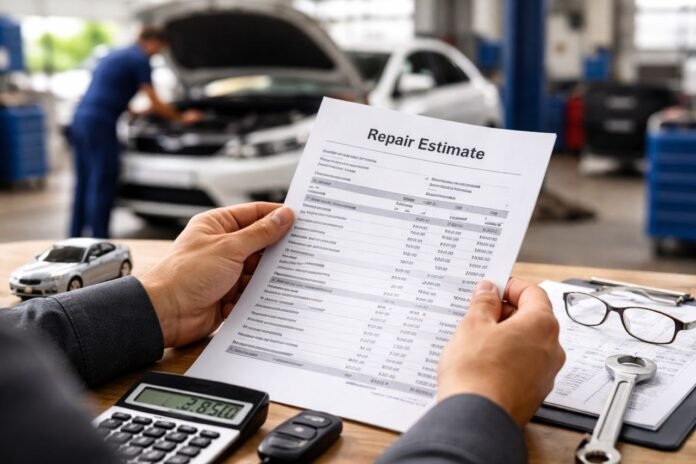
Most drivers assume insurance pricing is mainly about how likely you are to get into an accident. That feels logical. Fewer crashes should mean lower premiums.
But in reality, what happens after a crash often matters more than how often crashes happen.
And that comes down to repair costs.
Frequency vs Severity
Insurance companies look at two core things: how often claims happen and how expensive they are when they do.
Accident rates measure frequency. Repair bills measure severity.
A car model might have an average accident rate, but if every minor fender bender turns into a $4,000 repair, that vehicle becomes expensive to insure. Modern vehicles are packed with sensors, cameras, radar units, and specialized materials. Even a small impact can damage advanced driver-assistance systems that need recalibration.
That recalibration alone can cost more than fixing the visible dent.
The Technology Factor
Safety tech has undeniably reduced serious injuries. Organizations like the National Highway Traffic Safety Administration and the Insurance Institute for Highway Safety consistently show improvements in crash survivability.
But those same features increase repair complexity.
A bumper used to be plastic and paint. Now it may house blind spot sensors, parking sensors, and cross-traffic alert systems. A cracked headlight assembly can cost thousands because it contains adaptive lighting components and electronics.
Safer cars often mean more expensive repairs.
Materials Are Changing
Automakers are using aluminum, high strength steel, and composites to reduce weight and improve fuel efficiency. These materials protect occupants better but require specialized repair processes.
You cannot always hammer out an aluminum panel the way you would with traditional steel. Sometimes it must be replaced entirely. That raises both labor and parts costs.
Repair shops need new tools. Technicians need new certifications. That investment gets reflected in your claim.
Labor Is a Major Cost Driver
Parts are only part of the story.
Labor rates have climbed steadily, and modern repairs take longer. Calibration procedures, diagnostic scans, and manufacturer-required repair protocols add hours to what used to be straightforward fixes.
Insurers track this carefully. They are less concerned with how many minor accidents happen and more concerned with how much each one costs to resolve.
Total Loss Thresholds Are Shifting
As repair bills increase, more vehicles get declared total losses.
When repair costs approach a high percentage of a vehicle’s value, insurers may decide it makes more financial sense to pay out the car’s value instead. That changes the economics of claims across entire vehicle categories.
Over time, those trends influence premiums more than raw accident statistics.
Data Is More Sophisticated Now
Publications like Consumer Reports often focus on reliability and safety ratings. Insurers go deeper. They analyze claim severity by vehicle model, repair type, parts sourcing, and even regional labor variations.
Two vehicles with identical accident rates can produce very different insurance outcomes based purely on repair economics.
That’s why some “safe” vehicles still carry higher premiums.
What This Means for Drivers
If you are shopping for a vehicle and thinking about insurance costs, accident statistics only tell part of the story.
You should also consider:
- Cost of replacement parts
- Availability of aftermarket components
- Complexity of safety systems
- Repair labor intensity
A car that is slightly more likely to be in an accident but cheaper to fix can sometimes cost less to insure than a high tech model with lower crash frequency but sky high repair bills.
It feels counterintuitive, but insurance is about financial risk, not just physical risk.
And financially speaking, repair costs often speak louder than accident rates.