
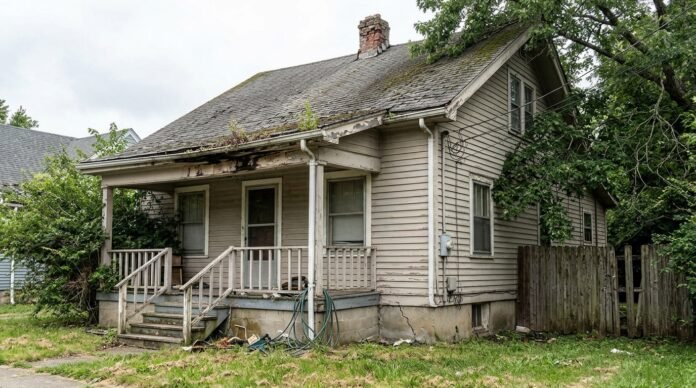
Getting homeowners insurance is not always as straightforward as requesting a quote and choosing the lowest premium. Before offering coverage, insurers evaluate the property’s physical condition, construction features, location, maintenance history and potential exposure to costly claims.
Some homes present risks that are relatively easy to address, such as an aging roof or outdated electrical equipment. Others may have characteristics that require additional inspections, specialized coverage, higher deductibles or restrictions on certain protections. In more serious cases, an insurer may decide that the property falls outside its underwriting guidelines and decline to offer coverage.
This does not necessarily mean that a home is unsafe or impossible to insure. Different insurance companies have different risk appetites and a feature that creates difficulties with one insurer may be acceptable to another. However, homeowners should understand which property characteristics could raise concerns before applying for coverage or renewing an existing policy.
Here are seven things about a home that could make insurers hesitate to cover it.
1. An Old or Poorly Maintained Roof
The roof is one of the first features insurers may examine when evaluating a property’s condition. It protects the building against rain, wind, hail, and other environmental exposure. When it deteriorates, the possibility of water intrusion and structural damage increases.
An aging roof may therefore create underwriting concerns, particularly if it has missing shingles, visible leaks, damaged flashing, sagging sections or signs of previous water penetration.
The material and installation quality can also influence an insurer’s assessment. A roof that has reached the end of its expected service life may be more vulnerable to storm damage than a recently installed system that has been properly maintained.
Why insurers may hesitate
A roof in poor condition can increase the likelihood of several expensive claims:
- Water entering through damaged shingles or flashing.
- Wind lifting or removing sections of roofing material.
- Leaks damaging ceilings, insulation, walls and electrical components.
- Structural deterioration caused by repeated moisture exposure.
- Mold growth following prolonged water intrusion.
Insurers may also be concerned about the cost of replacing an older roof after a storm. Depending on the policy, roof related claims may be subject to specific settlement provisions, exclusions or separate wind and hail deductibles.
What homeowners can do
Homeowners should arrange a professional roof inspection before applying for coverage if the roof is visibly deteriorating or approaching the end of its expected lifespan.
Useful improvements may include replacing damaged shingles, repairing flashing, addressing leaks, clearing drainage systems and correcting ventilation problems.
Keeping invoices, inspection reports, permits and photographs can help demonstrate that the roof has been maintained.
If a complete replacement is necessary, homeowners should ask whether the insurer has specific requirements concerning roofing materials, installation standards, or documentation.
Importantly, an old roof does not automatically make a property uninsurable. Some insurers may offer coverage with restrictions or require repairs within a specified period, while others may decline the application.
2. Outdated or Potentially Hazardous Electrical Systems
Electrical systems can create serious fire risks when they are improperly installed, deteriorated, overloaded or no longer suitable for the property’s electrical demands.
Older homes may contain wiring systems or electrical components that raise concerns during underwriting. Examples include certain older aluminum wiring installations, knob and tube wiring, obsolete electrical panels, damaged insulation and improperly modified circuits.
However, the age of a home alone does not establish that its electrical system is unsafe. The actual condition, installation quality, maintenance history and compliance with applicable requirements matter.
Why insurers may hesitate
Electrical failures can cause fires that spread through walls, ceilings, insulation and other structural materials. Even a relatively small electrical incident can produce extensive smoke and water damage if firefighters need to extinguish a fire inside the property.
Insurers may pay particular attention to:
- Outdated wiring systems.
- Electrical panels with known safety concerns.
- Exposed or damaged wiring.
- Overloaded circuits and frequent breaker trips.
- Improper do it yourself electrical modifications.
- Missing or incorrectly installed safety devices.
Certain electrical panel brands and equipment have also been associated with safety concerns or recalls. Insurers may therefore request additional information when a property contains equipment identified in their underwriting guidelines.
What homeowners can do
A qualified electrician should inspect an older or questionable electrical system and identify any necessary repairs or upgrades.
Homeowners should retain inspection reports, receipts, permits and documentation showing that recommended work was completed by qualified professionals.
If the insurer raises concerns about a particular panel or wiring system, homeowners should request the specific reason rather than assuming that every older electrical installation requires complete replacement.
Addressing electrical problems before applying for coverage can improve the property’s insurability and reduce the likelihood of future fire related losses.
3. Aging Plumbing or a History of Water Leaks
Water damage is a significant concern for homeowners insurers because plumbing failures can affect multiple areas of a property before the problem is discovered.
A leaking pipe inside a wall, a deteriorating supply line beneath a sink or an aging water heater can release water into floors, ceilings, insulation and structural materials.
The longer a leak remains undetected, the more expensive the resulting repairs may become.
Why insurers may hesitate
Insurers may pay close attention to homes with:
- Old or deteriorating plumbing.
- Previous pipe failures.
- Repeated water damage claims.
- Corroded supply lines.
- Poorly maintained water heaters.
- Improper drainage around the foundation.
- Evidence of ongoing leaks or moisture intrusion.
Some plumbing materials and systems may create additional underwriting concerns because of their age, condition or history of failures. Insurers may also distinguish between sudden accidental water damage and gradual leaks or long term deterioration, which are commonly treated differently under homeowners policies.
A previous water damage claim can create further questions about whether the original problem was properly repaired.
What homeowners can do
Homeowners should address visible leaks immediately and arrange professional inspections when plumbing systems are old or showing signs of deterioration.
Replacing deteriorated hoses, repairing leaking fixtures, maintaining water heaters and correcting drainage problems can help reduce the likelihood of future damage.
It may also be worthwhile to install automatic water shutoff devices or leak detection systems. Some insurers offer discounts or other incentives for qualifying protective devices, although availability varies.
If the property has a history of water damage, homeowners should retain evidence showing that the underlying problem was corrected. Repair invoices, plumbing assessments and photographs can help demonstrate that the home is no longer exposed to the same unresolved issue.
4. A Location Exposed to Wildfires, Flooding or Severe Storms
Even a well maintained home can become difficult to insure when its location exposes it to substantial natural disaster risks.
Insurers evaluate more than the property’s immediate appearance. They also consider regional weather patterns, historical claims, disaster frequency, building characteristics, emergency response access and the availability of reliable risk information.
A house located near a wildfire prone area, floodplain, hurricane exposed coastline or region experiencing repeated severe storms may face stricter underwriting requirements.
Why insurers may hesitate
Certain geographic risks can create the possibility of widespread claims following a single event.
For example:
- Wildfires can destroy multiple homes and surrounding infrastructure.
- Flooding can damage foundations, electrical systems, flooring and personal belongings.
- Hurricanes can produce wind damage, roof failures and storm related water intrusion.
- Severe hail can damage roofs, siding, windows and outdoor equipment.
- Coastal exposure can increase concerns about storm surge, erosion and wind related losses.
Insurers may respond by limiting new policies in certain areas, increasing premiums, requiring specific mitigation measures or applying separate deductibles.
Flood exposure is particularly important because standard homeowners insurance generally does not cover damage caused by flooding. Homeowners may need separate flood insurance through the National Flood Insurance Program or a private insurer.
What homeowners can do
Before purchasing a property or renewing insurance, homeowners should examine its exposure to relevant natural hazards.
Useful steps include:
- Reviewing FEMA flood maps and other available hazard information.
- Checking whether the property is located in a wildfire prone area.
- Understanding local building and storm resistance requirements.
- Maintaining gutters, drainage systems and protective landscaping.
- Installing qualifying storm resistant features where appropriate.
- Asking insurers whether mitigation measures can improve eligibility.
Location related risk cannot always be eliminated. However, homeowners who understand the property’s exposure may be better prepared to find suitable coverage and avoid unexpected insurance restrictions.
5. A Swimming Pool, Trampoline or Other High Liability Feature
Some property features create risks that extend beyond damage to the building itself. Swimming pools, trampolines, certain recreational structures and other amenities can increase the possibility of injuries involving household members, visitors or third parties.
These features may therefore receive additional attention during homeowners insurance underwriting.
Why insurers may hesitate
A swimming pool can create drowning and injury risks, particularly when children have access to the area without adequate supervision or barriers.
Trampolines can also increase the likelihood of falls, fractures and other injuries. Depending on the insurer, a trampoline may be excluded, restricted or accepted only when specific safety requirements are met.
Other features that may receive underwriting attention include:
- Diving boards and slides.
- Treehouses and elevated play structures.
- Certain recreational equipment.
- Outdoor structures with unsafe access.
- Unsecured pools and poorly maintained safety barriers.
The main concern is personal liability. If someone is injured on the property and the homeowner is found legally responsible, the resulting claim could involve medical costs, legal expenses and other damages.
Some insurers may require specific safety measures, increase the premium, impose restrictions or decline coverage when the risk falls outside their guidelines.
What homeowners can do
Pool owners should maintain appropriate barriers, self closing and self latching gates, secure access points, and other safety measures required by applicable local regulations.
Homeowners with trampolines should ask their insurer whether the equipment is permitted and whether additional safety requirements apply.
It is also important to review personal liability limits. A standard homeowners policy may not provide enough protection for every household’s financial circumstances.
An umbrella liability policy may provide additional protection above certain underlying liability limits, although eligibility and coverage conditions apply.
Before installing a pool or trampoline, homeowners should ask their insurer how the feature could affect coverage. Discovering an underwriting restriction after the installation may create unnecessary complications.
6. Previous Insurance Claims or Evidence of Unresolved Property Damage
A home’s insurance history can influence how an insurer evaluates a new application.
Multiple previous claims, particularly those involving water damage, fire, roof failures or repeated losses, may raise questions about the property’s condition and the likelihood of future claims.
Insurers may review available claims history information, including reports from databases such as the Comprehensive Loss Underwriting Exchange (CLUE), where applicable.
However, a previous claim does not automatically make a homeowner or property uninsurable. The type of loss, frequency, severity, repair history and individual insurer’s underwriting standards all matter.
Why insurers may hesitate
A property with repeated water damage claims may suggest unresolved plumbing or drainage problems.
Multiple roof related claims could raise questions about the roof’s age, construction quality, or exposure to severe weather.
Similarly, a previous fire claim may prompt questions about whether electrical problems, damaged wiring or other contributing conditions were properly corrected.
Insurers may also become concerned when a home has visible damage that remains unrepaired. An unresolved leak or damaged roof could expose the company to another claim shortly after coverage begins.
What homeowners can do
Homeowners should obtain and review their claims history when preparing to apply for coverage.
If a CLUE report contains incorrect information, they can dispute the inaccurate entry through the appropriate reporting process.
They should also retain documentation showing how previous claims were resolved, including:
- Repair invoices.
- Contractor reports.
- Inspection certificates.
- Photographs of completed work.
- Receipts for replaced equipment or materials.
- Documentation showing that recurring problems were corrected.
When applying for coverage, homeowners should answer questions about previous losses accurately. Concealing relevant information can create more serious problems if the insurer later discovers discrepancies.
A properly repaired home with a documented claims history may be more attractive to an insurer than a property with similar previous losses and unresolved damage.
7. Poor Overall Maintenance or Structural Problems
A property does not need to suffer a major disaster to become difficult to insure. In some cases, years of inadequate maintenance can create enough accumulated risk to concern an underwriter.
Insurers may examine the property’s foundation, exterior walls, drainage, windows, roofing, decks, stairs and other structural components.
Visible deterioration can indicate that the homeowner has not addressed problems that may eventually lead to more expensive damage or liability claims.
Why insurers may hesitate
Examples of maintenance and structural concerns include:
- Cracks or movement indicating possible foundation problems.
- Sagging floors or visibly damaged support structures.
- Rotting exterior wood and deteriorated siding.
- Loose railings, damaged stairs or unsafe decks.
- Persistent moisture and visible mold growth.
- Broken windows or unsecured exterior openings.
- Trees or branches that pose an obvious threat to the building.
- Evidence of pest damage affecting structural components.
Some issues may be relatively inexpensive to correct while others require professional engineering assessments and substantial repairs.
Insurers may request an inspection, require repairs before binding coverage, offer coverage with restrictions, or decline the application if the property presents unacceptable risks.
What homeowners can do
A professional property inspection can help identify problems before they become more serious.
Homeowners should prioritize structural defects, persistent moisture, damaged exterior features, unsafe stairs and railings and other conditions that could cause property damage or injuries.
If an insurer identifies a concern during underwriting, homeowners should ask for the specific repair requirements and the deadline for completing them.
They should also keep records of completed work. A contractor’s invoice, engineer’s report, or inspection certificate can provide evidence that a previously identified issue has been addressed.
Regular maintenance is not simply about preserving a home’s appearance. It can also help protect its insurability and reduce the likelihood of costly future claims.
What to Do If an Insurer Declines to Cover Your Home
Receiving a homeowners insurance rejection can be frustrating, particularly when coverage is needed for a mortgage requirement or property purchase.
However, a rejection from one insurer does not necessarily mean that every company will refuse to insure the property.
Insurance companies use different underwriting guidelines. One may be unwilling to insure an older roof, while another may accept the property after receiving an inspection report or confirmation that necessary repairs have been completed.
Homeowners who encounter difficulties should consider the following steps:
- Request the specific reason for the decision: Ask whether the problem involves the roof, electrical system, plumbing, location, previous claims or another underwriting concern.
- Find out whether repairs could change the decision: Some insurers may reconsider after the homeowner completes required improvements.
- Obtain professional documentation: Inspection reports, contractor invoices and repair certificates can help establish the property’s current condition.
- Compare other insurers: Different companies may have different eligibility requirements and risk appetites.
- Work with an independent insurance agent: An independent agent may be able to identify insurers that are more comfortable covering the property’s particular characteristics.
- Explore the state insurance market: If standard coverage is unavailable, homeowners may be able to obtain protection through a state FAIR Plan or another residual market arrangement, where available.
FAIR Plans are generally intended as last resort property insurance options for eligible homeowners who cannot obtain coverage through the standard market. They may provide more limited protection and separate policies may be needed for certain risks.
Homeowners should carefully review the coverage offered rather than assuming that a FAIR Plan provides the same protection as a comprehensive standard homeowners policy.
A home’s condition, location, construction features and claims history can all influence whether an insurer is willing to provide coverage. Aging roofs, outdated electrical systems, deteriorating plumbing, natural disaster exposure, liability related features, previous claims, and unresolved structural problems may create underwriting concerns.
However, these characteristics do not automatically make a property uninsurable. The outcome depends on the severity of the risk, the insurer’s guidelines, the availability of repairs and the type of coverage being requested.
Homeowners can improve their position by identifying potential problems early, completing necessary maintenance, retaining professional documentation and comparing insurers before making a final decision.
The most important step is to understand why an insurer considers a property risky. Once the underlying concern is clear, homeowners can determine whether repairs, additional safety measures or a different insurance provider may offer a practical path to obtaining coverage.