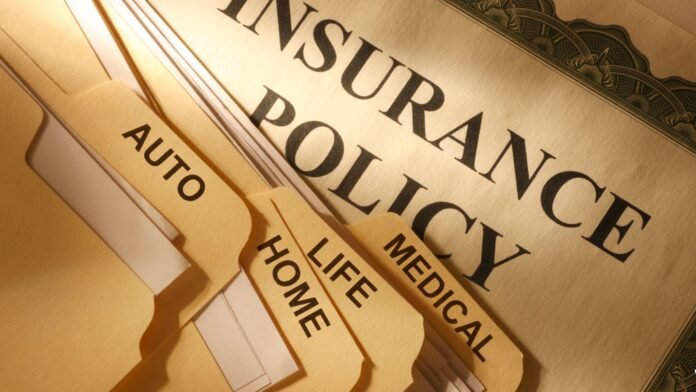
Insurance policies are written to be legally precise, not easy to understand. For most people, that means they only discover what their policy really says after something goes wrong.
Learning how to read an insurance policy doesn’t require legal training. You just need to know where to look and what actually matters.
Start With the Declarations Page
The declarations page, often called the “dec page,” is the most important part of the policy.
This page shows:
- Who and what is insured
- Coverage limits
- Deductibles
- Policy period
- Premium amount
If the declarations page doesn’t match what you think you bought, the rest of the policy won’t fix it.
Identify What Is Actually Covered
Next, find the coverage section. This explains what the insurer agrees to pay for.
Pay close attention to:
- Covered events or perils
- Property, liability, or medical coverage details
- Maximum payout amounts
Coverage is not unlimited. Everything is capped, even if it sounds broad.
Read the Exclusions Carefully
Exclusions are where most claim disputes come from.
These sections explain what the policy does not cover, such as:
- Certain types of damage
- Wear and tear or maintenance issues
- Specific events like floods or earthquakes
If a loss is excluded, coverage does not apply, even if everything else seems to fit.
Understand Your Deductibles
A deductible is the amount you pay before insurance starts covering a claim.
Some policies have:
- One deductible for all claims
- Separate deductibles for specific events
- Percentage based deductibles for certain losses
Higher deductibles lower premiums but increase out-of-pocket costs during a claim.
Know Your Coverage Limits
Coverage limits cap how much the insurer will pay.
Look for:
- Per claim limits
- Annual limits
- Sub limits for specific items
If your loss exceeds the limit, you are responsible for the difference.
Review Your Responsibilities
Policies also outline what you must do to keep coverage valid.
Common responsibilities include:
- Reporting claims promptly
- Preventing further damage
- Cooperating with investigations
- Keeping accurate records
Missing these steps can delay or reduce payouts.
Pay Attention to Definitions
Insurance policies define terms in very specific ways.
Words like “accident,” “occurrence,” or “replacement cost” may not mean what you expect. Always check the definitions section before assuming coverage applies.
Look for Endorsements and Riders
Endorsements modify your policy.
They can:
- Add coverage
- Remove coverage
- Change limits or deductibles
Many people forget these exist and assume the base policy tells the whole story.
Red Flags to Watch For
Be cautious if a policy:
- Uses vague or undefined language
- Has unusually low sub limits
- Excludes common risks for your situation
- Promises broad protection at a very low price
Cheap policies often cut coverage in ways that only show up during claims.
An insurance policy isn’t meant to be read cover to cover. It’s meant to be checked strategically.
If you understand the declarations page, exclusions, limits, and responsibilities, you’ll avoid most surprises and know what your insurance will actually do for you.
In another related article, Understanding Auto Insurance Coverage Types