
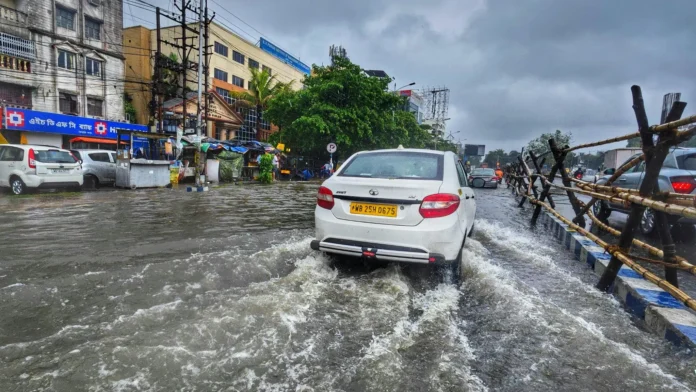
Many homeowners assume flood damage is covered by standard home insurance. It isn’t. Flood insurance is a separate policy, and for millions of households, it’s becoming less optional every year.
In 2026, rising flood risk, stricter mortgage requirements, and changing FEMA maps are pushing more families to reconsider whether flood coverage makes sense and how much it really costs.
Here’s what you need to know before deciding.
What Flood Insurance Actually Covers
Flood insurance protects your home and belongings from water damage caused by flooding, including:
- Heavy rainfall
- Storm surge
- River overflow
- Rapid snowmelt
- Coastal flooding
Most policies are offered through the National Flood Insurance Program (NFIP), though private insurers are increasingly active in lower- and moderate-risk areas.
Coverage typically includes:
- Building coverage (structure, foundation, electrical, plumbing)
- Contents coverage (furniture, appliances, personal items)
Who Actually Needs Flood Insurance
1. Homeowners in High Risk Flood Zones
If your property is in a FEMA designated Special Flood Hazard Area (SFHA) and you have a federally backed mortgage, flood insurance is usually required.
2. Homeowners Outside High Risk Zones
Surprisingly, about 25% of flood claims come from low or moderate-risk areas. Flooding doesn’t follow map boundaries, especially with more intense storms and urban drainage issues.
3. Renters
Flood insurance is not just for homeowners. Renters can purchase affordable contents-only policies to protect personal belongings.
4. New Buyers
Mortgage lenders often require flood insurance at closing if updated flood maps place a home in a higher-risk category.
How Much Flood Insurance Costs in 2026
Flood insurance costs vary widely based on location, elevation, and coverage type.
Average NFIP Flood Insurance Costs
- Low risk zones: $300-$600 per year
- Moderate risk zones: $600-$1,200 per year
- High risk zones: $1,200-$3,000+ per year
Homes built above base flood elevation or with mitigation features often qualify for lower rates.
Why Flood Insurance Is Getting More Expensive
Several factors are pushing premiums higher:
- Updated FEMA flood maps
- Climate driven weather patterns
- NFIP’s risk based pricing model
- Increased rebuilding costs
In recent years, FEMA has shifted toward pricing that reflects actual flood risk, rather than broad zone averages. This has lowered premiums for some homes but significantly increased them for others.
NFIP vs. Private Flood Insurance
NFIP Pros
- Widely available
- Accepted by all mortgage lenders
- Standardized coverage
NFIP Cons
- Coverage limits:
- $250,000 for buildings
- $100,000 for contents
- $250,000 for buildings
- No coverage for additional living expenses
Private Flood Insurance Pros
- Higher coverage limits
- Shorter waiting periods
- Often cheaper for low-risk homes
Private Flood Insurance Cons
- Not available everywhere
- Coverage terms vary by insurer
Many homeowners now compare both options before purchasing.
How Much Flood Insurance Coverage Do You Need?
Most experts recommend:
- Enough building coverage to rebuild your home, not just match market value
- Contents coverage equal to replacement cost, especially for electronics and appliances
Basements often have limited coverage, so homeowners should review exclusions carefully.
Ways to Lower Flood Insurance Costs
- Elevate utilities above flood levels
- Install flood vents
- Improve drainage around the home
- Choose higher deductibles
- Shop private insurers alongside NFIP
Some mitigation efforts may qualify for long-term premium reductions.
When Flood Insurance Makes Sense Even If It’s Not Required
Flood insurance may be worth considering if:
- You live near water, even if not in a flood zone
- Your area has experienced recent flash flooding
- Your home is downhill from major roads or developments
- You cannot afford out of pocket flood repairs
Even a few inches of water can cause tens of thousands of dollars in damage.
Flood insurance is no longer just for coastal or high risk areas. In 2026, more homeowners and renters are discovering that flood risk is broader and more expensive than expected.
If you’re unsure whether you need coverage, compare your flood risk, your financial exposure, and the cost of insurance now before a storm forces the decision.
In another related article, Best Auto Insurance for Teen Drivers in 2026