
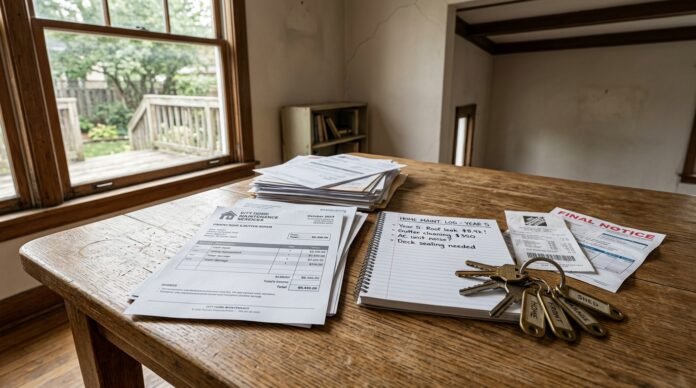
Buying a home is one of life’s biggest financial milestones. For many people, it represents stability, independence, and the opportunity to build long term wealth. The excitement of receiving the keys, moving into a new neighborhood and finally owning a place to call home often overshadows one important reality:
Buying the home is only the beginning of the financial journey.
The decisions homeowners make after closing often have a much greater impact on their long-term financial health than the purchase itself.
Five years may seem like a relatively short period, but it’s often enough time for homeowners to recognize which financial decisions helped them build security and which ones created unnecessary stress.
Some regret borrowing too much. Others wish they had built larger emergency savings before purchasing. Many realize they underestimated the true cost of homeownership or delayed important financial planning while focusing on monthly mortgage payments.
The encouraging news is that most of these regrets are preventable.
Understanding the financial mistakes homeowners commonly look back on can help current and future homeowners make better decisions today, protecting both their homes and their long-term financial goals.
Why the Five Year Mark Matters
The first few years of homeownership are often filled with adjustments.
Homeowners begin to experience:
- Routine maintenance
- Unexpected repairs
- Changes in household income
- Property tax increases
- Insurance premium adjustments
- Interest rate changes for certain loans
- Shifting financial priorities
By the fifth year, many have enough experience to evaluate whether their financial decisions have strengthened or weakened their overall financial position.
It’s also around this time that homeowners often begin thinking beyond simply making mortgage payments and start focusing on broader goals such as retirement, reducing debt, renovating their home or purchasing another property.
Regret 1: Buying More House Than They Could Comfortably Afford
One of the most common regrets has little to do with the home itself.
Instead, it involves purchasing at the very top of what the budget allowed.
Many buyers focus primarily on lender approval.
However, qualifying for a mortgage and comfortably living with one are not always the same thing.
A larger mortgage may leave less room for:
- Emergency savings
- Retirement contributions
- Home maintenance
- Family expenses
- Unexpected financial challenges
Over time, homeowners often realize that having a slightly smaller home with greater financial flexibility may have provided more peace of mind than stretching every dollar to purchase a larger property.
Regret 2: Underestimating the Cost of Homeownership
Many first-time buyers carefully calculate their mortgage payment but overlook the ongoing costs that come with owning a home.
These expenses may include:
- Property taxes
- Homeowners insurance
- Routine maintenance
- Appliance replacement
- Landscaping
- Utility costs
- HOA fees, where applicable
- Major repairs
Individually, these costs may seem manageable.
Together, they can significantly increase annual housing expenses.
Many homeowners later wish they had created a more realistic long term housing budget before buying.
Regret 3: Not Building an Emergency Fund Soon Enough
Owning a home almost guarantees unexpected expenses.
A water heater fails.
The roof develops a leak.
The heating system stops working during winter.
Without emergency savings, homeowners often rely on:
- Credit cards
- Personal loans
- Home equity borrowing
Many look back wishing they had prioritized building savings immediately after purchasing their home instead of waiting until an emergency occurred.
A financial cushion provides flexibility that borrowing cannot.
Regret 4: Using Home Equity Too Quickly
As home values increase and mortgage balances decline, homeowners gradually build equity.
For some, this growing equity becomes tempting to access through:
- HELOCs
- Home equity loans
- Cash out refinancing
While borrowing against home equity can be appropriate in certain situations, many homeowners later regret using it too freely.
Common examples include borrowing for:
- Vacations
- Lifestyle upgrades
- Luxury purchases
- Routine spending
Years later, they may find themselves with less equity available for truly important financial opportunities or emergencies.
Regret 5: Waiting Too Long to Address High Interest Debt
Many homeowners focus exclusively on their mortgage while allowing high-interest credit card balances to grow.
Over several years, interest charges may consume thousands of dollars that could have supported savings or investments.
Looking back, many wish they had prioritized eliminating expensive consumer debt earlier rather than carrying it alongside their mortgage.
Managing high-interest debt often strengthens overall financial health more quickly than making small additional mortgage payments.
Regret 6: Delaying Retirement Savings
The financial demands of homeownership sometimes lead people to postpone retirement contributions.
Mortgage payments, furnishing a new home, maintenance costs and other expenses consume available income.
Five years later, many homeowners realised that delaying retirement savings reduced valuable time for long term investment growth.
While homeownership contributes to wealth building, it generally should not completely replace retirement planning.
Both deserve attention.
Regret 7: Ignoring Routine Home Maintenance
Routine maintenance rarely feels urgent.
Because of this, homeowners sometimes postpone:
- Roof inspections
- HVAC servicing
- Plumbing maintenance
- Exterior repairs
- Gutter cleaning
Unfortunately, small maintenance issues often become larger and more expensive over time.
Many homeowners later discover that preventive maintenance would have cost far less than emergency repairs.
Protecting the home also protects the equity built within it.
Regret 8: Borrowing Without a Clear Repayment Plan
Homeowners occasionally open a HELOC or refinance because funds are available.
The borrowing solves an immediate need.
However, some fail to create a structured repayment strategy.
Years later, they may still carry balances that were originally intended to be temporary.
Without a repayment plan, even relatively affordable borrowing can remain outstanding much longer than expected.
Regret 9: Focusing Only on Monthly Payments
Many financial decisions are based primarily on reducing monthly expenses.
Lower monthly payments certainly improve short term cash flow.
However, homeowners sometimes overlook:
- Longer repayment periods
- Increased total interest
- Reduced home equity
- Long-term financial flexibility
Five years later, some realize that the lowest monthly payment wasn’t necessarily the most cost-effective financial decision.
Regret 10: Assuming Home Values Would Always Increase
Strong housing markets can create confidence that home values will continue rising indefinitely.
Some homeowners borrow aggressively against equity believing future appreciation will replace today’s borrowing.
Housing markets, however, experience cycles.
Those who relied heavily on continued appreciation sometimes wish they had maintained a larger equity cushion instead.
Home value growth should be viewed as a potential benefit not a guaranteed financial strategy.
Regret 11: Not Reviewing Their Insurance Coverage Regularly
Many homeowners purchase insurance when buying a home and rarely revisit their coverage afterward.
Over several years:
- Property values may change.
- Renovations may increase replacement costs.
- Personal belongings may become more valuable.
- Liability needs may evolve.
Failing to review coverage periodically may leave homeowners underinsured or paying for coverage that no longer fits their needs.
Insurance should evolve alongside the home and the household’s financial circumstances.
Regret 12: Making Emotional Financial Decisions
Homes naturally create emotional attachment.
Unfortunately, financial decisions driven primarily by emotion rather than careful planning can become costly.
Examples include:
- Expensive renovations that exceed the household budget.
- Borrowing to maintain a lifestyle.
- Purchasing unnecessary upgrades.
- Refinancing without considering long term costs.
Many homeowners later recognize that slowing down and evaluating decisions objectively would have produced better financial outcomes.
What These Regrets Have in Common
Although the situations differ, many share similar themes.
Most involve:
- Short-term thinking
- Underestimating future expenses
- Reducing financial flexibility
- Delaying long term planning
- Borrowing without a clear strategy
The lesson is not that homeowners should avoid borrowing or major financial decisions altogether.
Rather, those decisions should support a broader financial plan.
Questions Every Homeowner Should Ask
To avoid future regrets, homeowners should periodically ask themselves:
Am I building both home equity and emergency savings?
Does my borrowing support long term financial goals?
Am I preparing for future maintenance costs?
Have I reviewed my insurance coverage recently?
Am I balancing debt repayment with retirement planning?
Would today’s financial decisions still make sense five years from now?
These questions encourage long term thinking rather than reacting only to current financial circumstances.
Building a Five-Year Financial Strategy
Instead of focusing solely on mortgage payments, homeowners may benefit from creating a broader financial roadmap.
A balanced strategy often includes:
- Maintaining emergency savings.
- Paying down high interest debt.
- Protecting home equity.
- Saving consistently for retirement.
- Budgeting for ongoing maintenance.
- Reviewing insurance annually.
- Borrowing selectively and purposefully.
- Revisiting financial goals each year.
This comprehensive approach reduces the likelihood of costly regrets while supporting long-term financial stability.
Turning Regrets Into Better Decisions
The good news is that financial regrets do not have to define the future.
Even homeowners who recognize past mistakes can take meaningful steps to improve their financial position.
Examples include:
- Increasing savings gradually.
- Accelerating repayment of expensive debt.
- Developing a realistic maintenance budget.
- Reviewing borrowing decisions.
- Updating financial goals as life changes.
Financial planning is an ongoing process, not a single decision made when purchasing a home.
Small adjustments today often produce significant benefits over time.
The first five years of homeownership often provide valuable financial lessons. While many homeowners look back wishing they had saved more, borrowed less, planned better or prepared more carefully for ongoing housing costs, these experiences also highlight what truly supports long term financial success.
Owning a home is about more than making monthly mortgage payments. It requires balancing debt management, savings, insurance, maintenance, retirement planning and thoughtful use of home equity. Homeowners who view their property as part of a broader financial strategy are often better positioned to build lasting wealth while maintaining flexibility through changing economic conditions.
By learning from the most common financial regrets others experience, today’s homeowners can make more informed decisions, protect the equity they’ve worked hard to build and create a stronger financial foundation for the years ahead.