
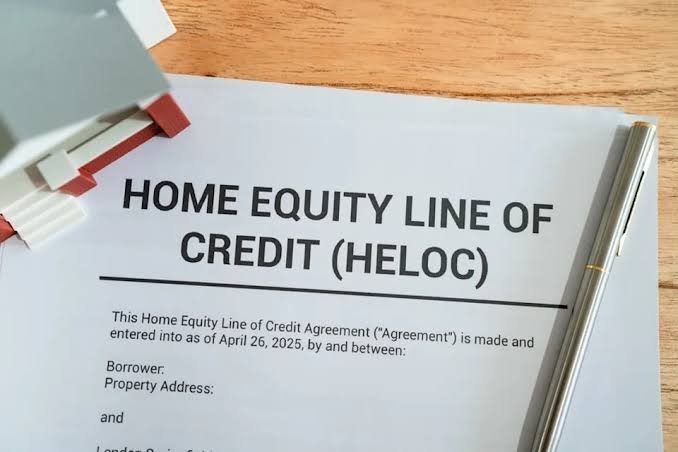
For many people becoming debt free is viewed as the ultimate financial goal.
Personal finance books, social media advice, and budgeting experts often encourage borrowers to eliminate debt as quickly as possible. The logic seems straightforward: the sooner you repay your loans, the less interest you’ll pay and the sooner you’ll achieve financial freedom.
While this approach certainly has advantages, it isn’t always the best strategy for every homeowner or every financial situation.
Money decisions rarely exist in isolation.
Every extra dollar used to accelerate debt repayment is a dollar that cannot be used for emergency savings, retirement investing, home maintenance, insurance protection or other financial priorities. Depending on your circumstances, aggressively paying off debt may actually reduce your financial flexibility or delay other important goals.
This doesn’t mean carrying debt indefinitely is a wise strategy.
Instead, it highlights an important reality: good financial planning isn’t about eliminating debt as quickly as possible, it’s about balancing debt repayment with the rest of your financial life.
For homeowners in particular, finding that balance is essential. Mortgage obligations, home maintenance costs, insurance expenses and long term wealth building goals all compete for the same financial resources.
Understanding when faster debt repayment makes sense and when a more balanced approach may be more beneficial can help homeowners make smarter long term financial decisions.
Why Paying Off Debt Faster Became Popular
The appeal of rapid debt repayment is easy to understand.
Benefits often include:
- Paying less interest over time
- Becoming debt free sooner
- Reducing financial stress
- Improving monthly cash flow once loans are eliminated
- Increasing long term financial security
For high-interest debt, these benefits can be substantial.
Paying off expensive credit card balances more quickly, for example, often produces immediate financial advantages because less money is lost to interest charges.
However, not all debt carries the same cost or serves the same purpose.
Treating every debt the same may lead homeowners to overlook better financial opportunities.
Not All Debt Is Created Equal
One of the biggest mistakes borrowers make is viewing all debt as equally harmful.
In reality, different types of debt carry different levels of risk and financial impact.
Examples include:
High Interest Consumer Debt
Such as:
- Credit cards
- Certain personal loans
- Payday loans
These debts often deserve priority because interest costs can grow rapidly.
Lower Interest Secured Debt
Examples include:
- Mortgages
- Some home equity loans
- Certain HELOC balances
These loans may have lower borrowing costs and longer repayment structures.
The strategy for managing them may differ significantly from that used for high interest debt.
Understanding the difference helps homeowners allocate financial resources more effectively.
Financial Flexibility Has Value
Imagine a homeowner receives a $20,000 work bonus.
One option is to use every dollar to make an extra mortgage payment.
Another is to divide the money between:
- Debt repayment
- Emergency savings
- Retirement investing
- Home maintenance
Neither choice is automatically right or wrong.
However, using every available dollar to reduce debt could leave the household without accessible savings if an unexpected expense arises.
Financial flexibility often has value that cannot be measured simply by comparing interest rates.
Having available cash during emergencies may prevent homeowners from relying on expensive borrowing later.
Emergency Savings Often Come First
One of the strongest arguments against aggressively paying off debt too early is the importance of emergency savings.
Unexpected events happen.
Examples include:
- Medical expenses
- Job loss
- Vehicle repairs
- Major home repairs
- Family emergencies
Without savings, homeowners may be forced to rely on:
- Credit cards
- Personal loans
- Additional home equity borrowing
Ironically, using every available dollar to eliminate debt may create the need to borrow again later.
Building a financial cushion alongside debt repayment often improves long term stability.
Homeowners Face Unique Financial Responsibilities
Owning a home introduces financial obligations that renters may not experience.
Examples include:
- Roof repairs
- Heating and cooling system replacement
- Plumbing emergencies
- Property taxes
- Insurance deductibles
- Foundation repairs
These expenses can arise with little warning.
If every extra dollar has been directed toward debt repayment, homeowners may struggle to cover unexpected costs without taking on new debt.
Maintaining liquidity becomes particularly important for homeowners.
Retirement Savings Shouldn’t Always Wait
Some people postpone retirement investing until every debt has been eliminated.
While this approach may work in certain situations, it isn’t universally appropriate.
Retirement savings benefit from time.
The earlier contributions begin, the longer investments have to potentially grow.
Waiting many years to invest while focusing exclusively on debt repayment could reduce future retirement savings opportunities.
A balanced approach often allows homeowners to reduce debt while continuing to invest consistently for retirement.
Low Interest Doesn’t Always Require Maximum Speed
Suppose two homeowners each have a mortgage with a relatively low fixed interest rate.
One decides to send every extra dollar toward the mortgage.
The other continues making required payments while building savings and investing for future goals.
Depending on their circumstances, the second homeowner may maintain greater financial flexibility while still steadily reducing debt.
The best choice depends on:
- Financial goals
- Risk tolerance
- Available savings
- Other investment opportunities
Lower-interest debt doesn’t always require aggressive repayment.
Opportunity Cost Matters
Every financial decision involves trade offs.
Economists refer to this as opportunity cost.
When extra money is used for debt repayment, those funds cannot simultaneously be used for:
- Retirement contributions
- Emergency savings
- Education funding
- Business opportunities
- Home improvements
- Investment accounts
This doesn’t mean debt should be ignored.
It simply means homeowners should evaluate what they may be giving up by accelerating repayment.
Psychological Benefits Still Matter
Money is not purely mathematical.
Many homeowners experience significant emotional relief after paying off debt.
Benefits may include:
- Reduced financial anxiety
- Better sleep
- Increased confidence
- Greater sense of financial control
These psychological benefits have genuine value.
For some individuals, becoming debt free sooner improves overall well-being even if another financial strategy might produce slightly better long term financial results.
Financial decisions should consider both numbers and personal comfort.
When Faster Debt Repayment Often Makes Sense
Accelerating repayment may be particularly beneficial when:
The Debt Carries High Interest
Reducing expensive borrowing often produces immediate financial savings.
Emergency Savings Already Exist
Households with adequate reserves can direct additional funds toward debt with greater confidence.
Retirement Contributions Are Already on Track
Long-term investing continues while debt declines.
Monthly Cash Flow Is Strong
Extra payments don’t create financial strain.
Becoming Debt Free Supports Specific Goals
Examples include retirement, starting a business, or purchasing another property.
In these situations, paying debt faster may align well with broader financial planning.
When Slowing Down May Be the Better Choice
There are also situations where maintaining regular payments while strengthening other parts of your financial plan may be more beneficial.
Examples include:
You Have Little or No Emergency Savings
Building reserves may reduce future borrowing.
Income Is Uncertain
Financial flexibility becomes increasingly valuable.
Major Home Repairs Are Expected
Preserving cash may reduce reliance on future debt.
Retirement Savings Have Been Delayed
Consistent investing may deserve higher priority.
You’re Sacrificing Essential Insurance Coverage
Reducing debt should never come at the expense of protecting your household against significant financial risks.
The Importance of Balanced Financial Planning
Rather than viewing debt repayment as the only financial objective, many financial planners encourage balancing multiple priorities.
Examples include:
- Paying down debt
- Building savings
- Investing for retirement
- Maintaining insurance
- Preserving home equity
- Preparing for future expenses
This broader perspective often creates greater long-term financial resilience.
Debt reduction becomes one important goal among several, not the only goal.
Questions Homeowners Should Ask
Before sending extra money toward debt, consider asking:
Do I have sufficient emergency savings?
Will this payment reduce financial flexibility?
Am I neglecting other important financial goals?
Does this debt carry a high enough interest rate to justify faster repayment?
What major expenses might I face over the next few years?
How does this decision support my long-term financial plan?
Answering these questions helps ensure repayment decisions fit within a broader financial strategy.
Common Mistakes to Avoid
Homeowners sometimes weaken their financial position by:
Emptying Savings to Eliminate Debt
Leaving little protection against emergencies.
Ignoring Retirement Contributions
Delaying long-term wealth building unnecessarily.
Treating Every Debt Identically
Different loans deserve different repayment strategies.
Forgetting Future Home Expenses
Homeownership requires ongoing financial preparation.
Focusing Only on Interest Savings
Ignoring flexibility, liquidity and future opportunities.
Avoiding these mistakes often leads to stronger overall financial health.
Creating a Smarter Debt Repayment Strategy
Instead of choosing between “pay debt” or “save money,” many homeowners benefit from combining both objectives.
A balanced strategy may include:
- Making all required loan payments on time.
- Paying extra toward high interest debt first.
- Maintaining an emergency fund.
- Continuing retirement contributions.
- Planning for expected home maintenance.
- Reviewing financial goals annually.
This approach recognizes that financial success depends on more than simply reaching a zero loan balance.
It involves creating a stable financial foundation capable of supporting future goals and unexpected challenges alike.
Paying off debt faster can be a smart financial move but it isn’t automatically the best one for every homeowner or every situation. While reducing debt often lowers interest costs and provides peace of mind, focusing exclusively on rapid repayment can sometimes come at the expense of emergency savings, retirement planning, home maintenance and financial flexibility.
The most effective financial strategy is rarely about pursuing a single goal in isolation. Instead, it involves balancing debt repayment with the other responsibilities that contribute to long-term financial security.
Before accelerating payments, take time to evaluate your overall financial picture. Consider the type of debt you have, the strength of your emergency savings, your retirement goals, and the financial demands of homeownership. By making repayment decisions within the context of a broader financial plan, homeowners can reduce debt while continuing to build stability, preserve flexibility and protect the wealth they’ve worked hard to create.