Most people believe they’re fully covered.
Then a claim gets denied.
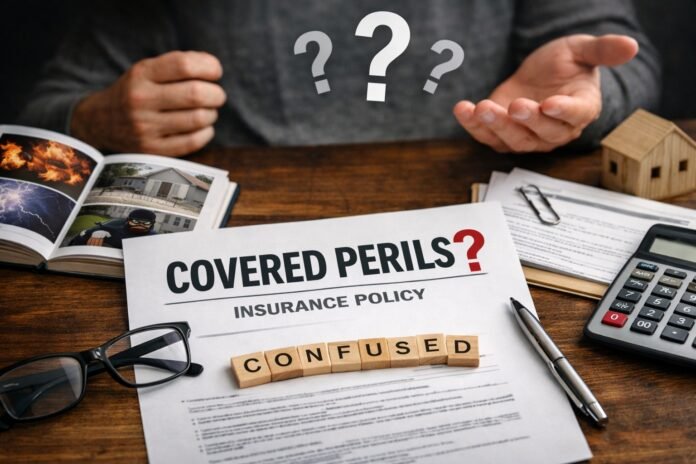
And suddenly, one phrase matters more than anything else: covered perils.
It’s one of the most misunderstood parts of any insurance policy. And it’s often the reason payouts don’t happen the way policyholders expect.
Let’s simplify it.
What Are Covered Perils?
A peril is simply a cause of damage.
Common examples include:
- Fire
- Theft
- Windstorm
- Hail
- Vandalism
- Lightning
If your policy covers certain perils, it will only pay for damage caused by those specific events.
That’s the key detail many people miss.
Named Perils vs. Open Perils
There are two basic coverage structures.
Named Perils Policy
This type only covers the events listed in the contract.
If it isn’t listed, it isn’t covered.
For example, if your policy lists fire, theft, and wind but doesn’t mention sewer backup, that loss likely won’t qualify.
Open Perils Policy
Sometimes called “all-risk,” this structure covers everything except what is specifically excluded.
It offers broader protection, but exclusions still matter. Typical exclusions may include:
- Flooding
- Earthquakes
- Wear and tear
- Neglect or poor maintenance
The difference between these two structures can determine whether a claim is approved or denied.
Why So Many People Get Confused
The Word “Covered” Sounds Absolute
When people hear “covered,” they assume protection against all types of damage.
But coverage is conditional.
It depends on the cause of loss, policy wording, exclusions, limits, and deductibles. One missing detail can change the outcome.
Water Damage Isn’t Always the Same
This is one of the biggest misunderstandings.
A burst pipe inside the home is often covered.
Floodwater entering from outside is usually not covered under a standard homeowners policy.
The distinction matters, and many homeowners don’t realize it until it’s too late.
Policies Aren’t Always Read Carefully
Most people skim summaries or rely on what they think is standard.
But coverage varies by insurer, policy type, and endorsements. Even two similar homes can have different protection depending on how the policy is structured.
Marketing and Contract Language Don’t Match
Advertisements focus on protection and peace of mind.
Policies focus on definitions and limitations.
That gap is where confusion begins.
The Financial Impact of Misunderstanding Coverage
When a loss isn’t covered:
- Repairs come out of pocket
- Emergency savings shrink
- Credit cards fill the gap
In many cases, insurance didn’t fail. Expectations did.
How to Avoid Coverage Surprises
Start with a few direct steps:
- Ask whether your policy is named perils or open perils
- Read the exclusions section carefully
- Confirm whether flood or earthquake coverage requires a separate policy
- Check your coverage limits and deductibles
Clarity upfront is far cheaper than discovering limits during a claim.
When Broader Coverage May Be Worth It
Open perils policies usually cost more. They can make sense if:
- You own a higher value property
- You want fewer gray areas during claims
- You prefer broader protection with clearer boundaries
The goal isn’t buying the most expensive policy. It’s understanding what you’re actually paying for.
Covered perils aren’t just fine print.
It’s the difference between a paid claim and a denied one.
Before renewing or purchasing a policy, review what’s listed, what’s excluded, and what requires additional coverage. If you’re unsure, compare options and ask specific questions.
Because when damage happens, the definition of “covered” becomes very real.